Buyer-side procurement
dry heat sterilizer
Dry Heat Sterilizers Sourcing is an independent sourcing partner. We restated a US buyer brief for a dry heat sterilizer, then asked factories to quote the same chamber, cycle, quantity and destination. Ratings, certificates, lead time and price remain subject to supplier confirmation.
Chamber
State usable volume in litres and whether the load is wrapped, glass or metal.
Cycle
State the setpoint in °C and the hold time in minutes that your protocol uses.
Supply
State voltage, phase and frequency for the room that will receive the oven.
Quantity
State quantity by variant and the US destination state or postal code.
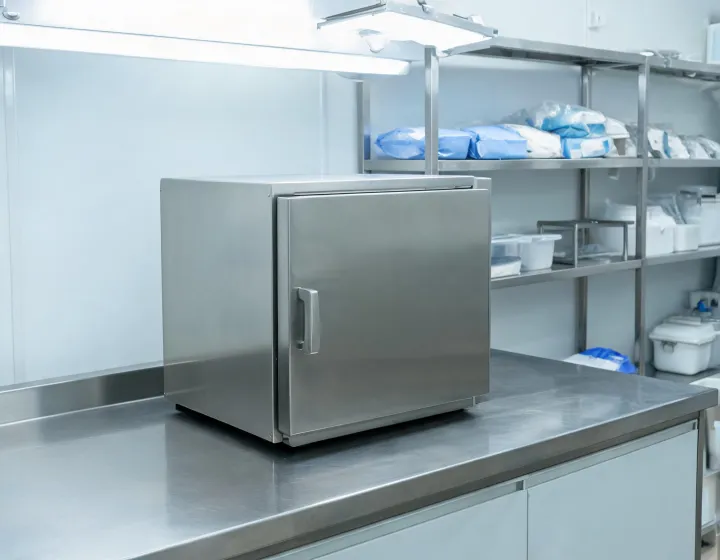
Write one brief several factories can price
-
Name the duty
Say whether the dry heat sterilizer must treat dental handpieces, laboratory glass, powders or other moisture-sensitive loads. Steam autoclave class B, gravity displacement and pre-vacuum cycles answer a different moisture question and should not be mixed into the same priced line.
-
Fix the constraints
Record chamber litres, maximum load mass, HEPA or filtered exhaust if your room requires it, and whether the cabinet sits in an ISO class 5 or ISO class 7 work area. Room class is a placement fact, not a substitute for cycle data.
-
Set the order scope
List quantity, unit, accessories such as racks or biological-indicator ports, requested timing, and whether the purchase is new-only or may include documented refurbished capital. Condition is a field; leaving it blank lets the factory choose.
Two buyer desks we hear from
Buying for a clinic or laboratory project
- Protocol temperature and hold time already written by the quality desk
- Delivery aligned to room handover, not a catalogue promise
Project buyers usually already know whether steam is excluded because of corrosion or moisture. The remaining task is to keep chamber litres, electrical supply and document list on one page so two factory replies stay comparable.
Buying for resale or a multi-site stock list
- Repeatable catalog number and accessory set per model
- Quantity breaks and packaging that match receiving docks
Distributor desks still decide the commercial terms. We only line up written offers. A sibling model or a borrowed 510(k) summary is not the file for the quoted catalog number.
Send the dry heat sterilizer requirement
Include configuration, quantity, destination and requested timing. Optional budget (currency and per-unit or whole-order) and supplier preference can travel in the same brief. Preference is not a verified plant rating.